
Ancient Culture Street
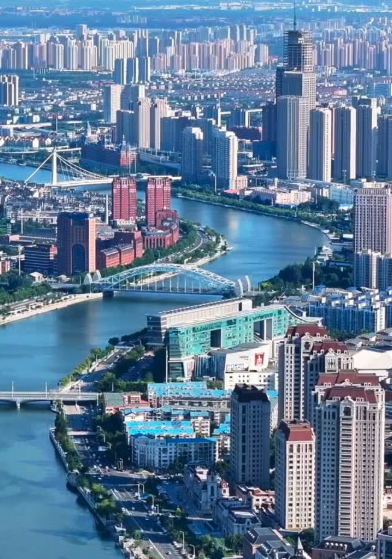
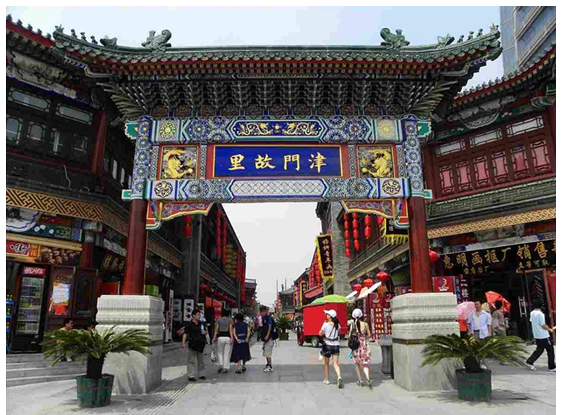
Regarded as a living museum of the Qing Dynasty, Tianjin Ancient Culture Street retains its original ancient layout and style through centuries. Here, intricate handcrafted figurines, refined calligraphy works and diverse folk art pieces dazzle visitors with traditional Chinese artistry. The air is filled with the inviting aroma of classic local delicacies, among which the famous Ear-Hole Fried Cakes stand out as an unmissable treat. Every corner of this well-preserved street breathes history, folk culture and the warm vitality of old Tianjin.
The Five Great Avenues
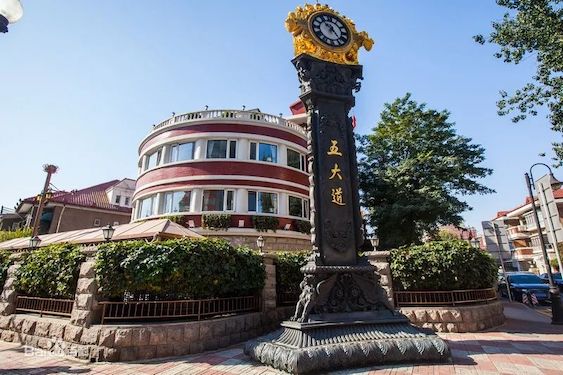
Famously nicknamed the "World Building Exhibition", the Five Great Avenues is Tianjin’s celebrated architectural landmark. It houses over 230 vintage buildings erected in the early 1900s, showcasing a brilliant collection of European styles including Gothic, Renaissance and Baroque. Lined with lush trees and elegant old mansions, the district presents a vivid panorama of Western architecture. Every brick and beam exudes timeless elegance, making it an unmissable spot to explore Tianjin’s unique cultural heritage.
Tianjin Eye & River Cruises
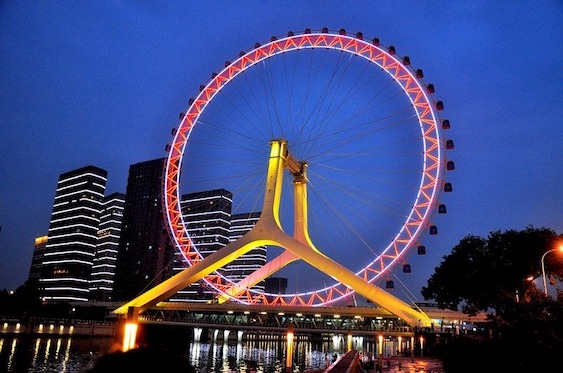
Immerse yourself in Tianjin’s lively modern vibe at the Tianjin Eye and on Haihe River cruises. As the world’s sole Ferris wheel built over a bridge, the Tianjin Eye delivers unbeatable panoramic vistas of the magnificent Haihe River skyline. Pair your ride with a river cruise to drift along the water, admiring shimmering scenery and iconic landmarks on both shores. It is a wonderful way to embrace the city’s dynamic spirit and riverside elegance.
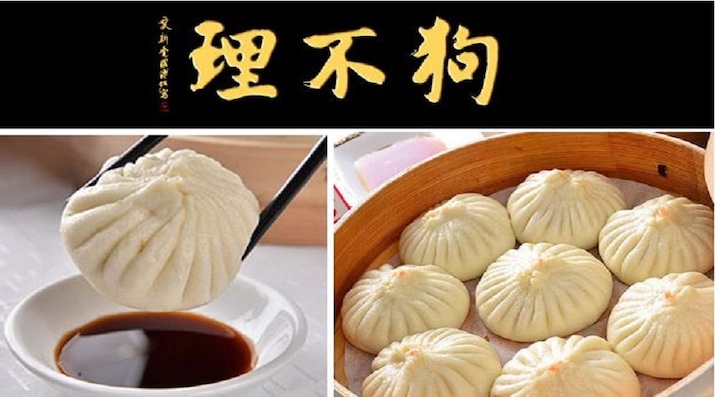
Goubuli Steamed Buns
Regarded as a living museum of the Qing Dynasty, Tianjin Ancient Culture Street retains its original ancient layout and style through centuries. Here, intricate handcrafted figurines, refined calligraphy works and diverse folk art pieces dazzle visitors with traditional Chinese artistry. The air is filled with the inviting aroma of classic local delicacies, among which the famous Ear-Hole Fried Cakes stand out as an unmissable treat. Every corner of this well-preserved street breathes history, folk culture and the warm vitality of old Tianjin.
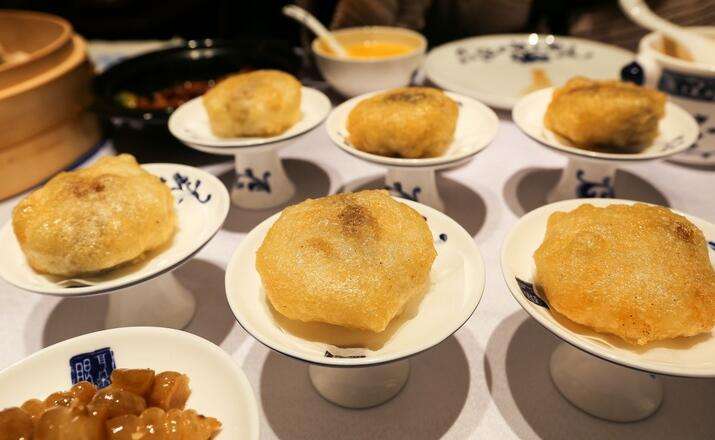
Ear-Hole Fried Cakes
Ear-Hole Fried Cakes are a shining star of Tianjin’s street food. Its golden crispy crust wraps around silky sweet bean paste, creating a wonderful interplay of textures and tastes. Deeply rooted in local life, this timeless snack has remained a firm favorite for decades, standing as an essential part of Tianjin’s renowned street food legacy.
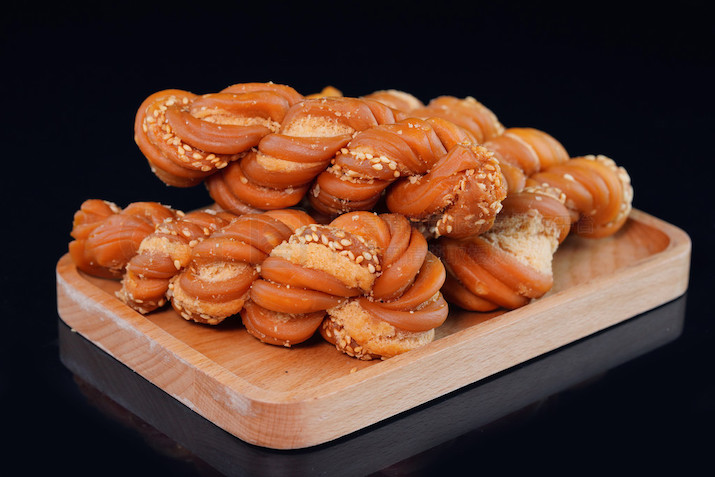
18th Street Mahua
Famous across the nation, Tianjin 18th Street Mahua is an iconic local snack. These large, intricately shaped dough twists are famous for their long-lasting crispness that endures for months. Combining ingenious craftsmanship and rich, inviting flavors, this timeless treat is a brilliant highlight of Tianjin’s traditional food culture.
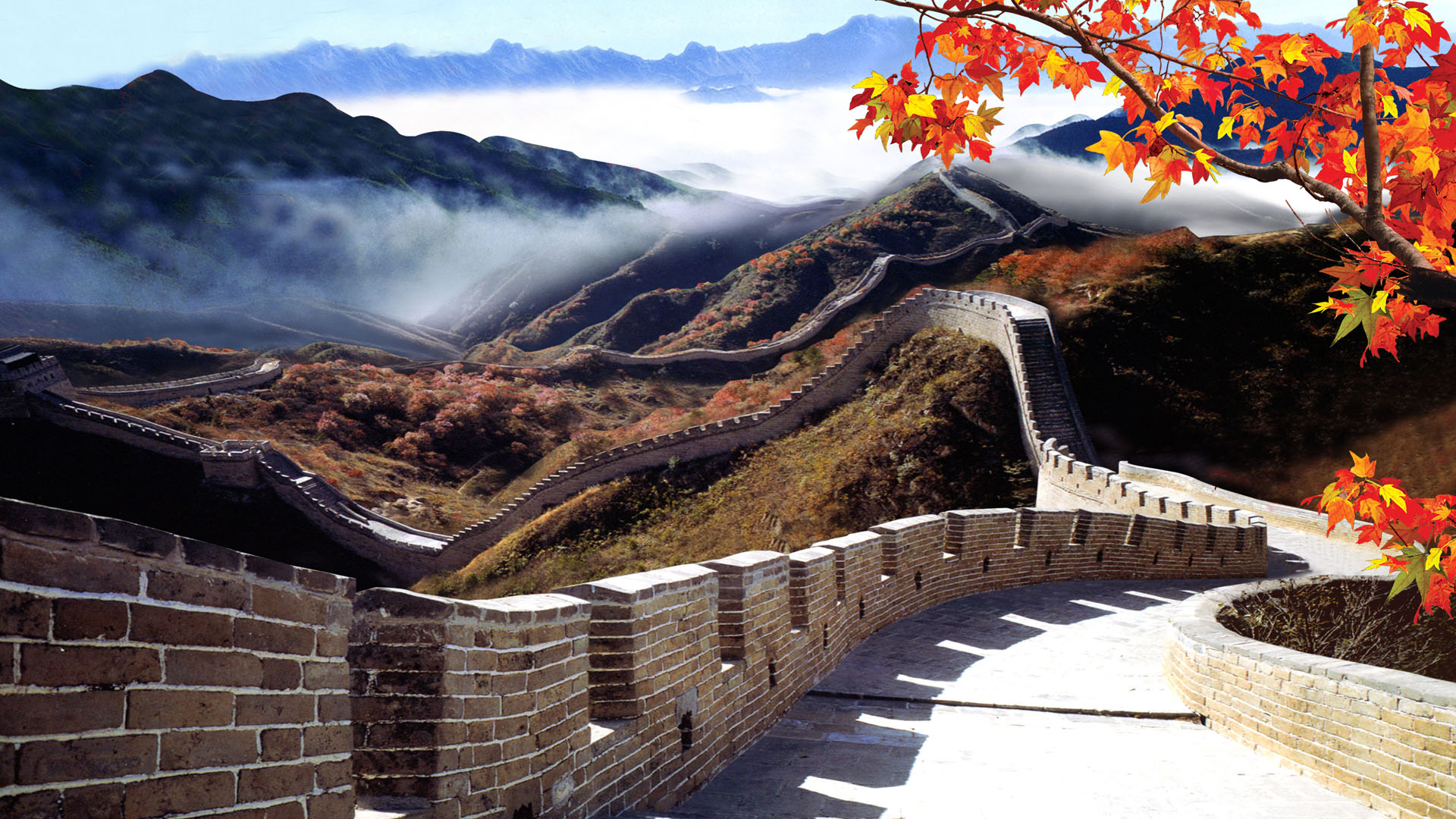
The Great Wall
He who doesn’t reach the Great Wall is not a true man. The majestic Great Wall touches the billows of the Bohai Sea in the east, and traverses the vast expanse of the Gobi desert in the west. It crosses prairies and deserts, nestles up to the Yellow River, surmounts high mountains, stretches 10,000 li and, like a soaring dragon, leaps over the boundless land of China. It was built with the blood and sweat of the laboring people of ancient China. It is a symbol of the brilliance of China’s ancient culture and a pride of the Chinese nation.
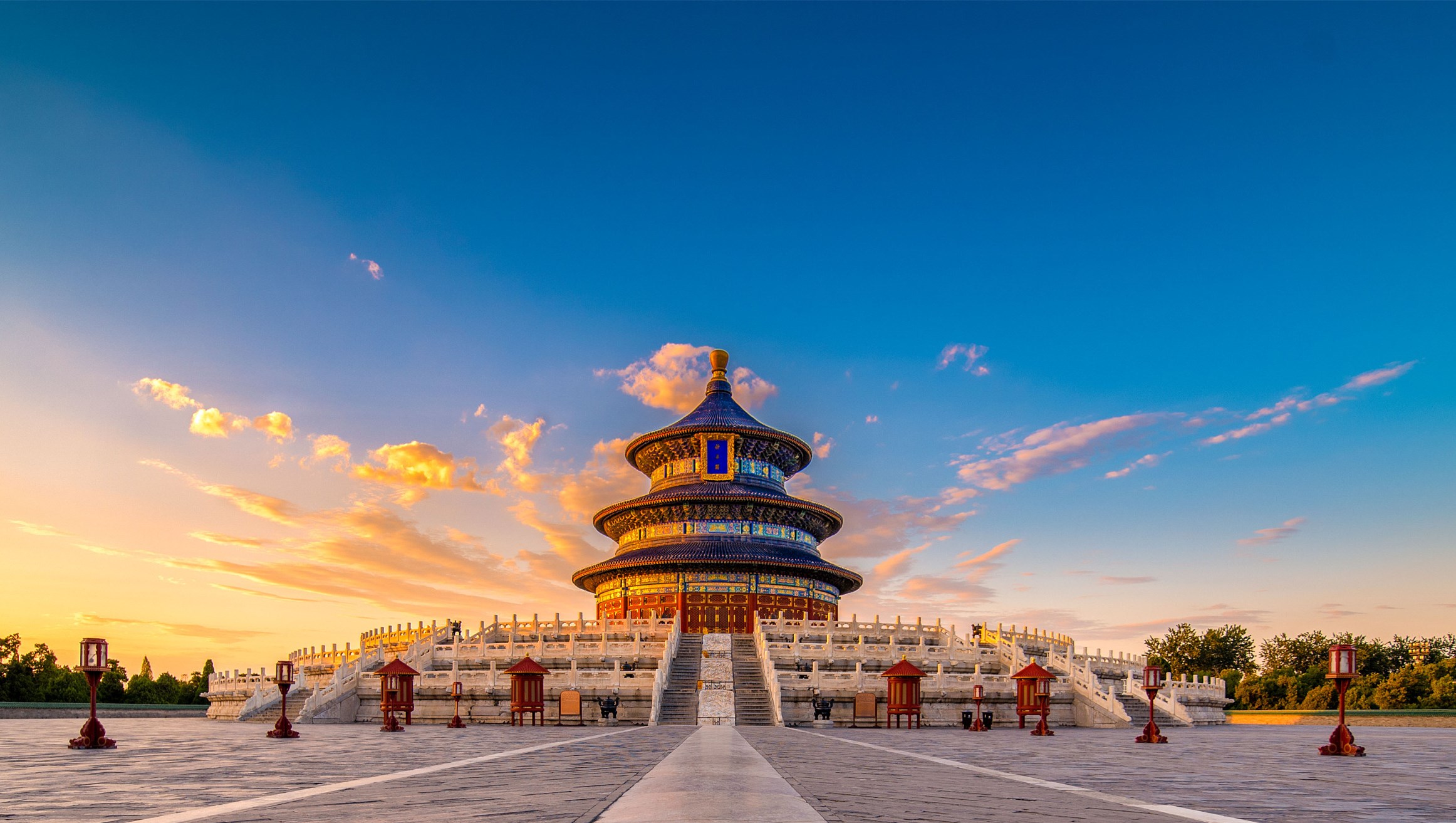
Temple of Heaven
Built in 1420 (the 18th year of the Ming-dynasty Yongle Emperor’s reign), the Temple of Heaven is located outside and to the east of the Zhengyang Gate, and its grounds cover 2.73 square kilometers. It is where the imperial families of the Ming and Qing dynasties held ceremonies to offer sacrifices to Heaven and pray for good harvests. It was originally called the Temple of Heaven and Earth, and with later expansion and renovation, it is now the world’s largest and best-preserved ancient imperial complex dedicated to the worship of Heaven.
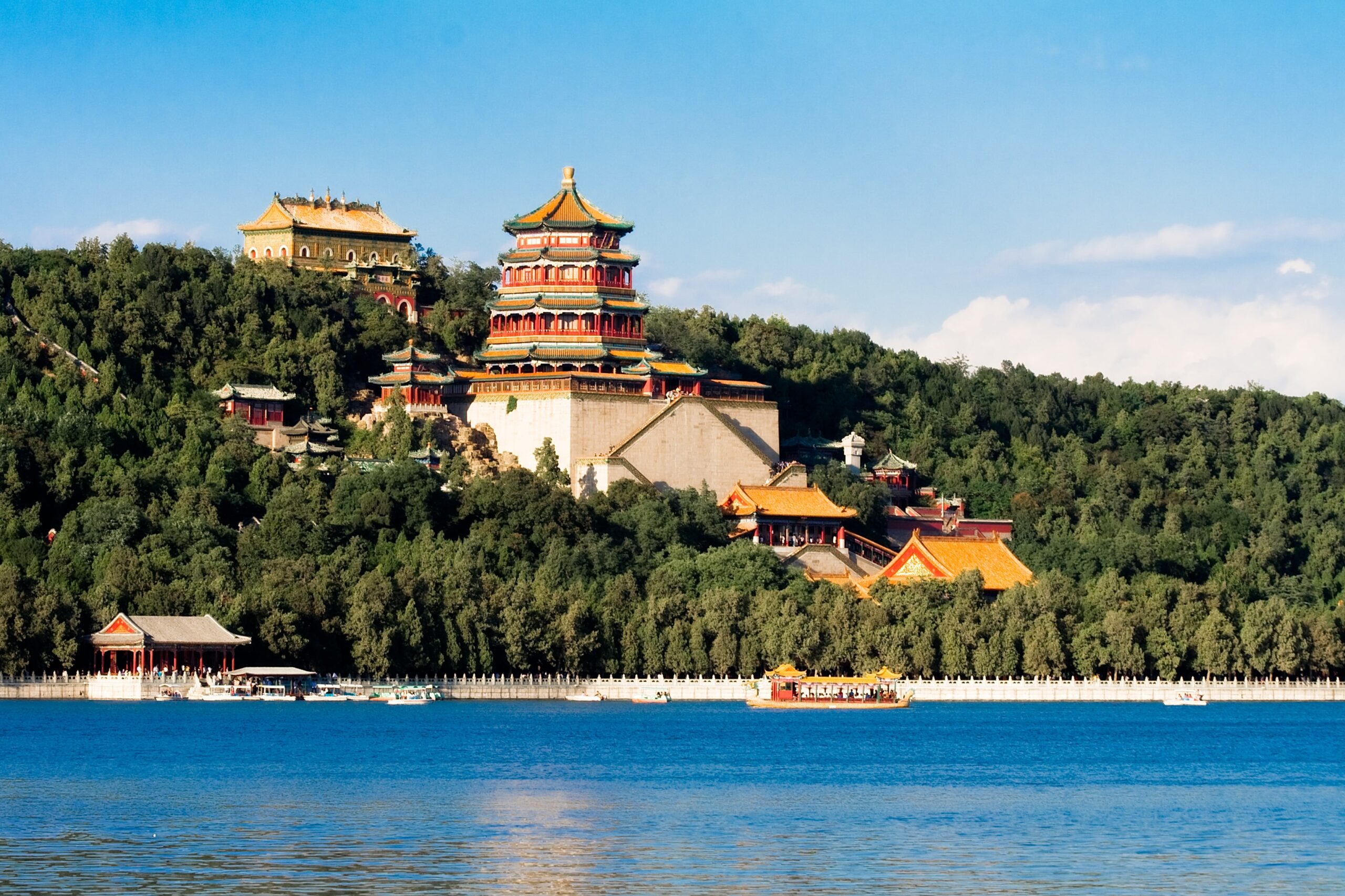
Summer Palace
The landscape of the Summer Palace, dominated mainly by Longevity Hill and Kunming Lake, covers an area of 3.09 square kilometers, three quarters of which is covered by water. Its 70,000 square meters of floor space accommodate a variety of palaces, gardens and other traditional-style architectural structures. Well known for its large and priceless collection of cultural relics, it was among the first historical and cultural sites in China to receive special protection from the state.
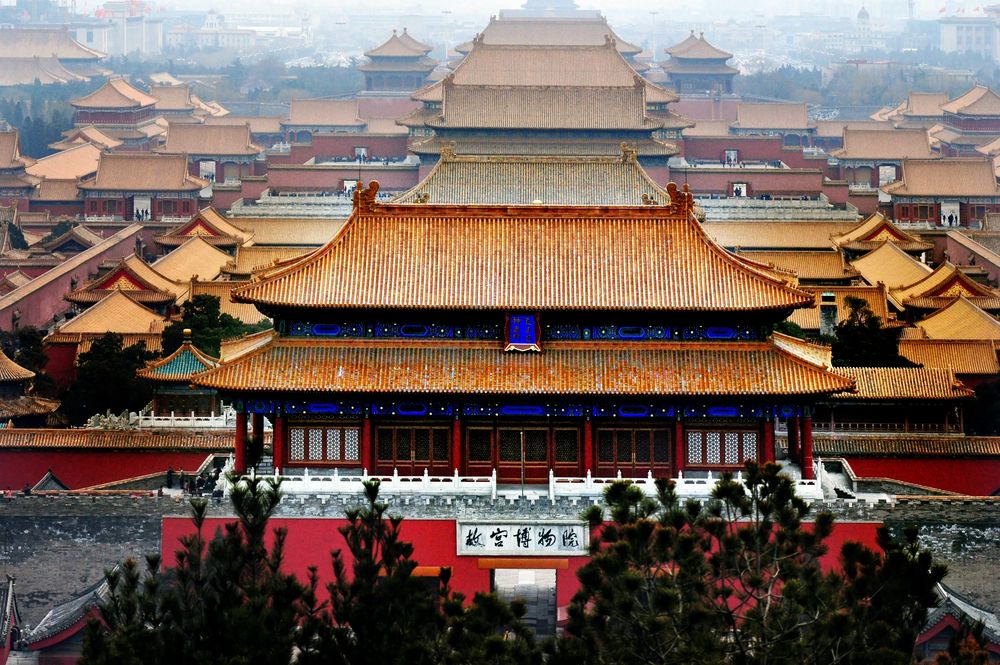
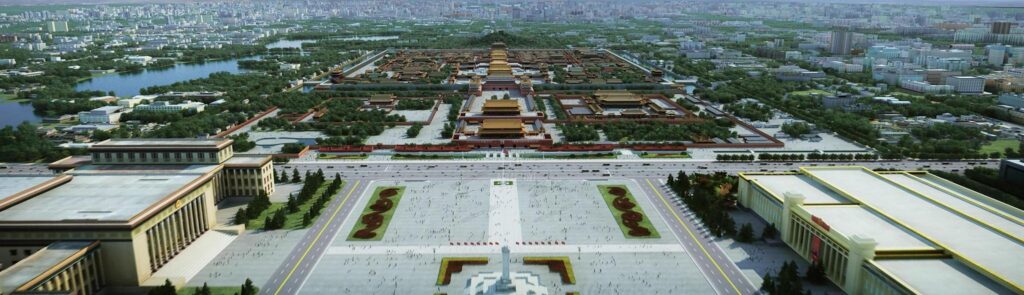
Forbidden City
The Forbidden City, the center of imperial governance and family life, consists of various structures that were designed for specific functions. Each structure was built in accordance with the traditional Chinese architectural hierarchy and designed to reflect imperial power and authority.